Which Bose battery packs can overheat and what should owners do now?
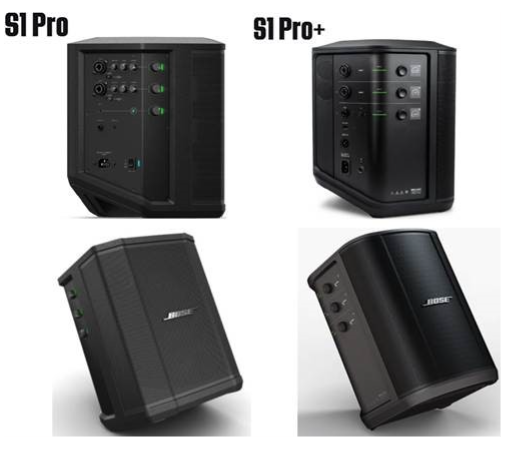
The Bose S1 Pro and S1 Pro+ portable Bluetooth speakers use a removable lithium-ion battery pack. About 634,759 of those packs in the United States and about 35,400 in Canada are being recalled because they can overheat and catch fire.
How to tell if your pack is affected
The recall covers two product names: Bose S1 Pro System Battery Pack and S1 Pro+ System Battery Pack. Both fit the S1 Pro and S1 Pro+ speaker systems. The packs were sold inside the speaker box and also as separate accessories or replacement parts. A 17-digit serial number sits on a label at the bottom of the pack. If the first six digits match any of these seven codes — 083723, 078352, 084105, 078591, 078592, 084106, or 086409 — the pack is part of the recall. The serial number is the only way to know. No date stamp or visual difference separates affected units from safe ones. Packs entered the market in December 2017 and kept shipping through July 2026. Retailers included Bose stores, Best Buy, Amazon.com, Bose.com, BestBuy.com, Walmart.com and other distributors. Individual packs cost between $100 and $160. Speaker systems with the pack included sold for $700. All were manufactured in China.
Check the six-digit prefix against the list above.
What the failure looks like
Bose received seven reports of packs melting, emitting smoke or catching fire. Six of those reports included property damage. No injuries have been reported. The hazard statement says the packs can overheat and ignite. That phrasing points to a thermal runaway event inside the lithium-ion cells. The recall notice does not describe the root cause — whether a cell defect, a management circuit flaw, or a mechanical issue triggered the overheating. It also does not say how many of the 634,759 units remain in active use.
What to do right now
Remove the pack from the speaker immediately and stop using it.
The speaker itself still works when plugged into AC power, so gigs, rehearsals or backyard parties can continue without the battery. Next, go to www.bose.com/support/s1-battery-recall and register the serial number. Bose will ship a free replacement pack. If you have a spare pack sitting on a shelf, read its serial number and register that one too. Do not wait for the replacement to arrive before pulling the old pack out.
Disposal is not ordinary
Do not throw the recalled pack in household trash. Do not put it in curbside recycling bins. Do not drop it in the battery collection boxes at hardware stores or big-box retailers. Recalled lithium-ion batteries carry a higher fire risk than normal spent cells, so they must go to a municipal household hazardous waste (HHW) center. Call that center first — not all accept recalled packs. If they say no, contact your local government for further guidance. The notice does not list a prepaid return kit or a mail-back option.
Questions the notice leaves open
Why did the seven incidents happen across a nine-year sales window? The announcement does not explain. It does not state whether a design change occurred mid-production. It does not say if the replacement pack uses different cells or a revised circuit. Owners who register will get a new pack, but the document is silent on whether that new pack carries a different serial-number prefix or a new warranty period.
The sources this article was written from
- "CPSC Recall Notice 27-065
https://www.cpsc.gov/Recalls/2027/Bose-Recalls-Lithium-Ion-Battery-Packs-for-S1-Pro-and-S1-Pro-Bluetooth-Speaker-Systems-Due-to-Risk-of-Injury-from-Fire-and-Overheating-Hazards-0"